Flavor-First: Designing Your Garden for the Ultimate Kitchen Impact
Flavor-First: Designing Your Garden for the Ultimate Kitchen Impact
Have you ever bitten into a grocery store tomato and felt… well, nothing? It’s a common heartbreak for food lovers. For years, commercial gardening has focused on yield, shelf-life, and durability during transport. But as we head into the 2026 growing season, a new movement is taking root in backyards across the country: Flavor-First Gardening.
We’re shifting the focus back to where it belongs—the taste buds. By choosing specific “chef-preferred” varieties and mastering the timing of your harvest, you can turn your backyard into a gourmet pantry that rivals the best farmer’s markets. Don’t worry if you’re new to this; starting a flavor-focused bed is easier than you think!
The “Chef’s List” of Varieties
If you want the best results in the kitchen, you have to start with the right genetics in the soil. Here are the top trending varieties for 2026 that prioritize culinary impact over everything else:
1. The Sauce King: San Marzano Tomatoes
If you’ve ever wondered why Italian pasta sauce tastes different, it’s usually the San Marzano. These plum tomatoes are the gold standard because they have high pectin (which makes a thick, silky sauce) and very low moisture (so you don’t have to boil them for hours).
- Pro Tip: Look for ‘San Marzano 2’ or ‘Nano’ varieties if you have a smaller garden or use containers. They offer that same legendary flavor in a more manageable plant size.
2. The Pesto Powerhouse: Genovese Basil
While there are dozens of basil types, Genovese remains the undisputed champion for authentic pesto. For 2026, keep an eye out for ‘Everleaf’ varieties. These have been specially bred to bolt (go to seed) much slower, giving you a significantly longer harvest window during the hot summer months.
3. The Versatile Roaster: Anaheim Peppers
If you love the flavor of peppers but find Jalapeños too spicy or Bell Peppers too bland, the Anaheim is your new best friend. They have thick walls that hold up beautifully to roasting and a mild heat that enhances other ingredients rather than masking them.
4. The Tropical Kick: Scotch Bonnet
For the adventurous gardener, the Scotch Bonnet is trending this year. Beyond its heat, it carries incredible fruity, tropical notes. It’s the essential base for the viral Haitian Pikliz (a spicy, pickled slaw) that everyone is talking about this summer.
Designing “Recipe Beds”
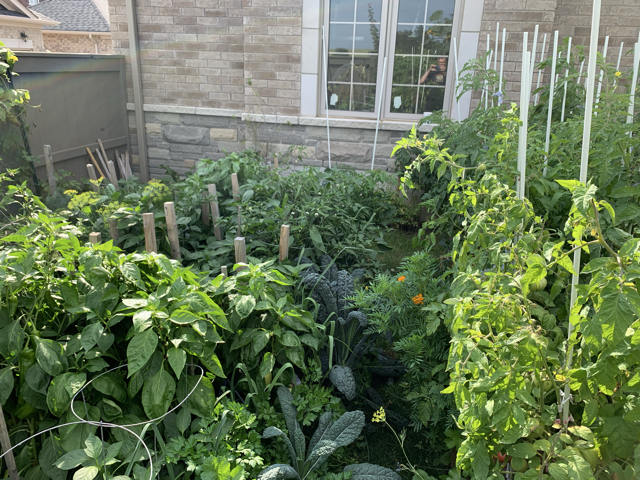
One of our favorite trends for 2026 is the Recipe Bed. Instead of planting all your tomatoes in one row and all your herbs in another, try grouping plants based on the meals you love to cook.
- The Pizza Bed: Plant a San Marzano tomato, a Genovese basil plant, and some Greek oregano together. Everything you need for a fresh Margherita pizza is within arm’s reach.
- The Salsa Bed: Group Anaheim peppers, cilantro, and Roma tomatoes.
- The Pikliz Patch: Grow Scotch Bonnets alongside cabbage and carrots (though you’ll need a bit more space for the cabbage!).
By grouping these plants, you not only make harvesting for a specific meal easier, but you also create a beautiful, intentional garden layout that feels more like an outdoor kitchen.
Timing is Everything: The Morning Harvest
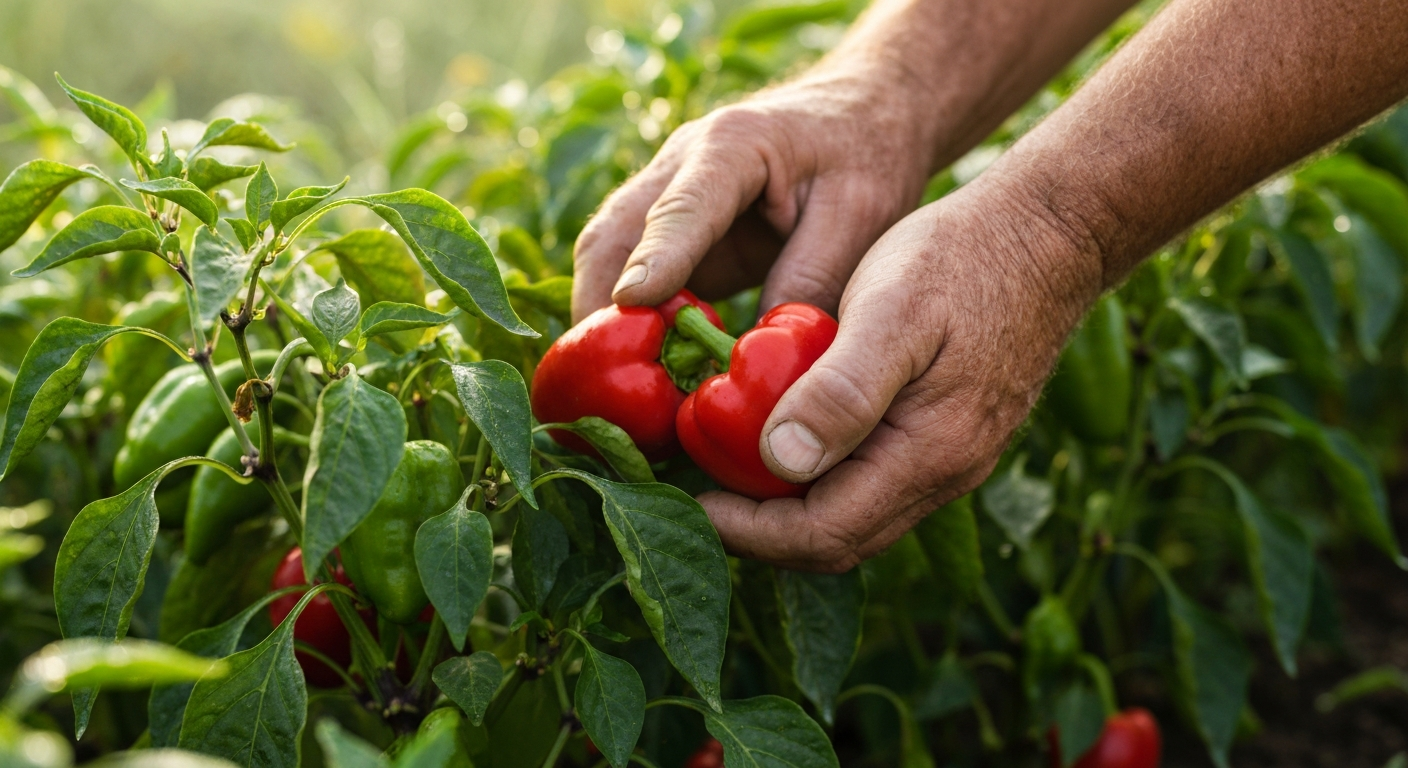
Even the best variety can taste dull if harvested at the wrong time. The 2026 “Flavor-First” rule is simple: Harvest in the morning.
Plants produce essential oils that give them their unique aroma and taste. During the heat of the day, some of these oils evaporate or retreat into the stems. By picking your tomatoes and herbs while they are still cool from the night air—ideally just as the dew is drying—you capture those oils at their peak concentration.
There is something truly magical about a sun-warmed tomato, but for the most intense culinary impact, get out there with your basket before the midday sun hits.
Pro Tip: Stress Can Be Good (In Moderation)
While we usually want to keep our plants happy, some herbs actually taste better when they’re a little “stressed.” For woody herbs like Rosemary and Thyme, letting the soil dry out slightly between waterings can actually concentrate their essential oils, leading to a much punchier flavor in your cooking!
Conclusion
Gardening for flavor is a journey of reconnection. It’s about slowing down and appreciating the incredible difference that a fresh, high-quality variety can make in your kitchen. Whether you start with a single pot of ‘Everleaf’ Basil or go all-in with a dedicated “Pizza Bed,” your taste buds will thank you. Give it a try this season—you’ll never look at a grocery store tomato the same way again!
Happy Growing!