Growing Egyptian Walking Onions: The Perennial Wonder of Your Garden
Growing Egyptian Walking Onions: The Perennial Wonder of Your Garden
If you’re a gardener who loves a plant with personality, you need Egyptian Walking Onions in your life. They aren’t just an edible vegetable; they’re a conversation piece, a sculptural marvel, and one of the most reliable “set-it-and-forget-it” crops you’ll ever grow.
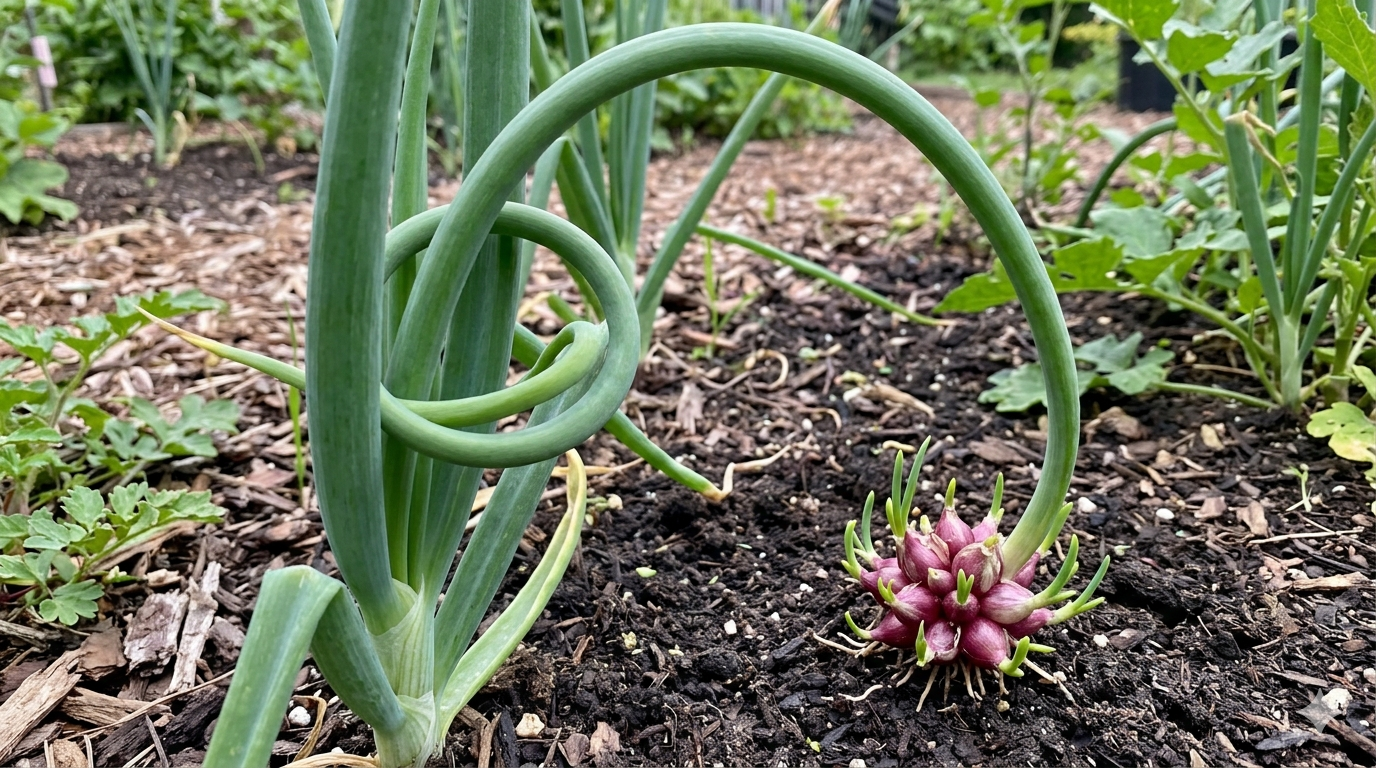
I remember the first time I saw these in a neighbor’s yard—they looked like something out of a Dr. Seuss book. Instead of flowers, they grew a cluster of tiny, purple-skinned onions at the top of their tall stalks. As those little onions got heavier, the stalk would slowly bend over until they touched the soil, where they’d root and start a brand new plant a couple of feet away. They literally “walk” across your garden!
Whether you’re a busy parent looking for an easy project with the kids or a seasoned gardener in Zone 6 looking for a perennial powerhouse, these onions are for you.
What You’ll Need
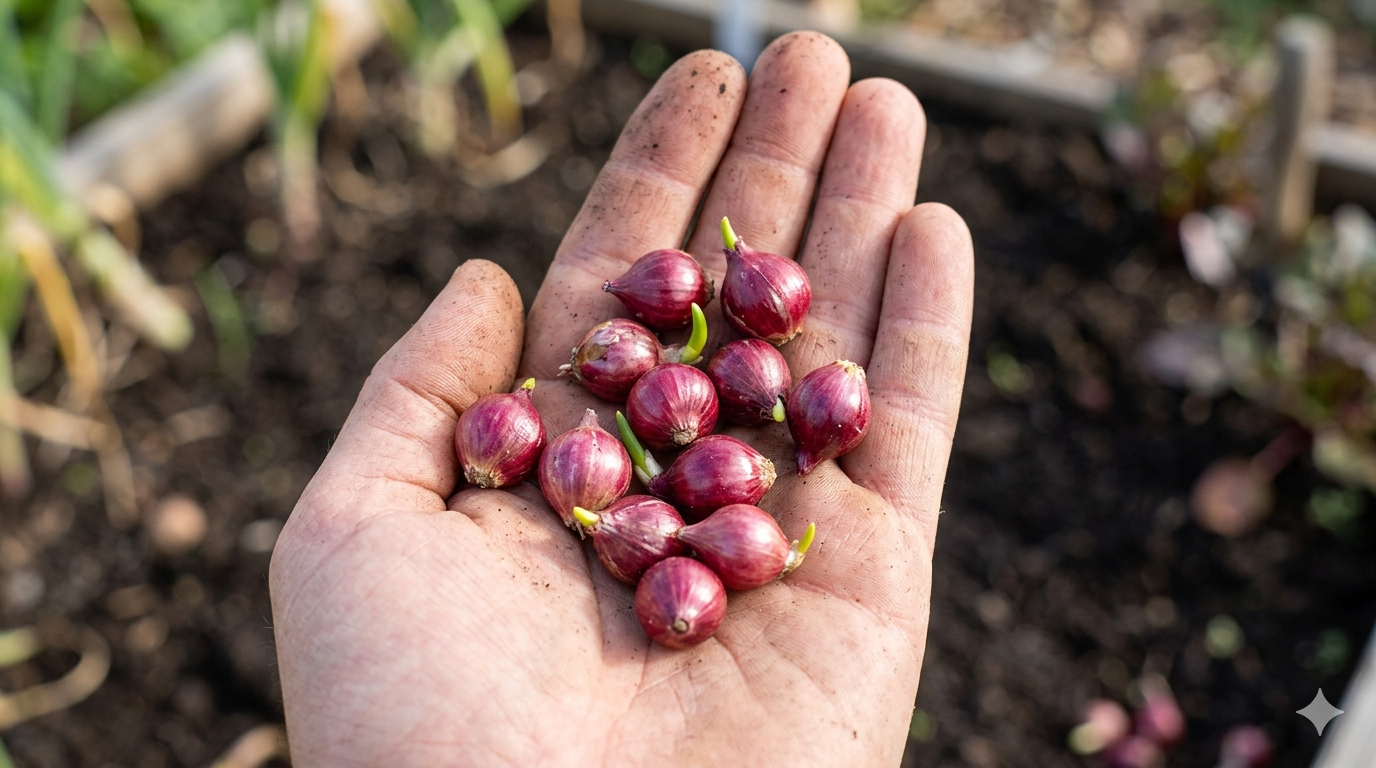
Egyptian Walking Onions (Allium × proliferum) are remarkably hardy. You won’t find them in the seed aisle; you’ll usually need to find a friend who has a patch or order “topsets” (the little bulbs) from a specialty nursery.
- Topsets or Bulbils: These are the little clusters of onions from the top of the plant.
- A Sunny Spot: They love full sun (at least 6-8 hours).
- Well-Draining Soil: They aren’t picky about soil quality, but they hate “wet feet.” Avoid areas where water pools.
- A Trowel: For tucking those little bulbs into the ground.
- A Little Patience: They take a season to really establish their “walking” routine.
How To Do It
- Pick Your Timing: You can plant walking onions in early spring, but the absolute best time is late summer or early fall. This gives them time to grow roots before winter so they can explode with greens the moment the snow melts.
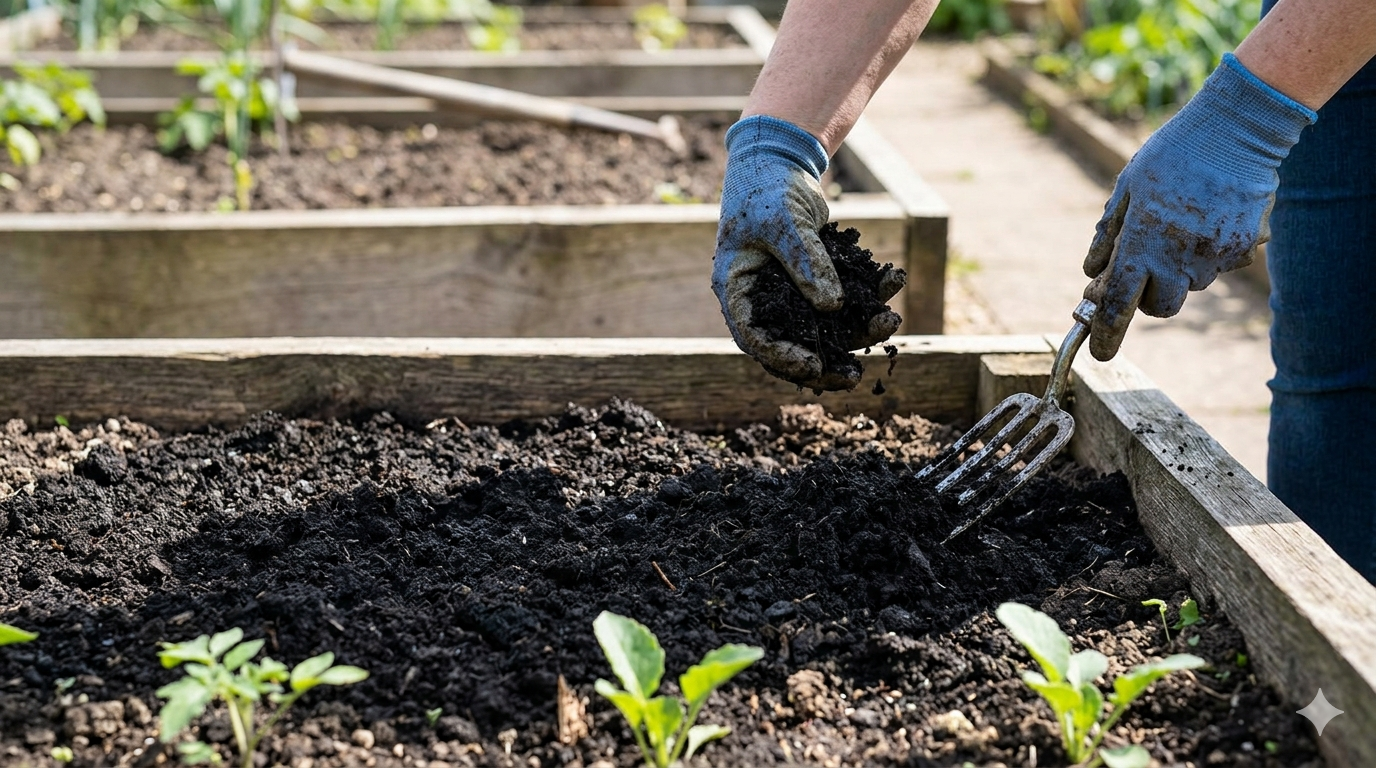
- Prepare the Bed: Loosen the soil about 6 inches deep and mix in a little compost if you have it.
- Plant the Bulbils: Take the individual little onions from the top cluster and plant them about 1-2 inches deep.
- Space Them Out: If you want a dedicated patch, space them 6-10 inches apart. If you’re just planting them for the green scallions, you can tuck them in every 3 inches.
- Water and Mulch: Give them a good drink and a thin layer of mulch (like straw or shredded leaves) to keep them cozy over their first winter.
- Let Them Walk: In their second year, you’ll see the tall stalks and the top clusters. If you want them to spread, let the stalks fall over naturally. If you want to control them, harvest the top clusters and plant them exactly where you want them!
Pro Tip: The Three-Stage Harvest
You can harvest these at three different stages!
- Early Spring: Use the tender green shoots like scallions.
- Late Summer: Harvest the “topsets” for pickling or sautéing.
- Anytime: The large bulb underground is edible, though it’s quite pungent. Most gardeners leave the base bulbs alone to ensure the plant comes back every year.
Conclusion
Egyptian Walking Onions are the ultimate “lazy gardener” crop. They are perennial, pest-resistant, and they plant themselves if you let them. Plus, they provide some of the earliest fresh food of the spring. Give them a try—your future self (and your kitchen) will thank you for it!
Don’t worry if your garden looks a little “wild” once they start walking—that’s just nature doing its thing. Happy planting!
Placeholder: [Photo of a tall, spiraling onion stalk with a cluster of small purple bulbils at the top, bending toward the soil]