Planting Black & Red Currants: A Sweet and Tangy Garden Duo
Planting Black & Red Currants: A Sweet and Tangy Garden Duo
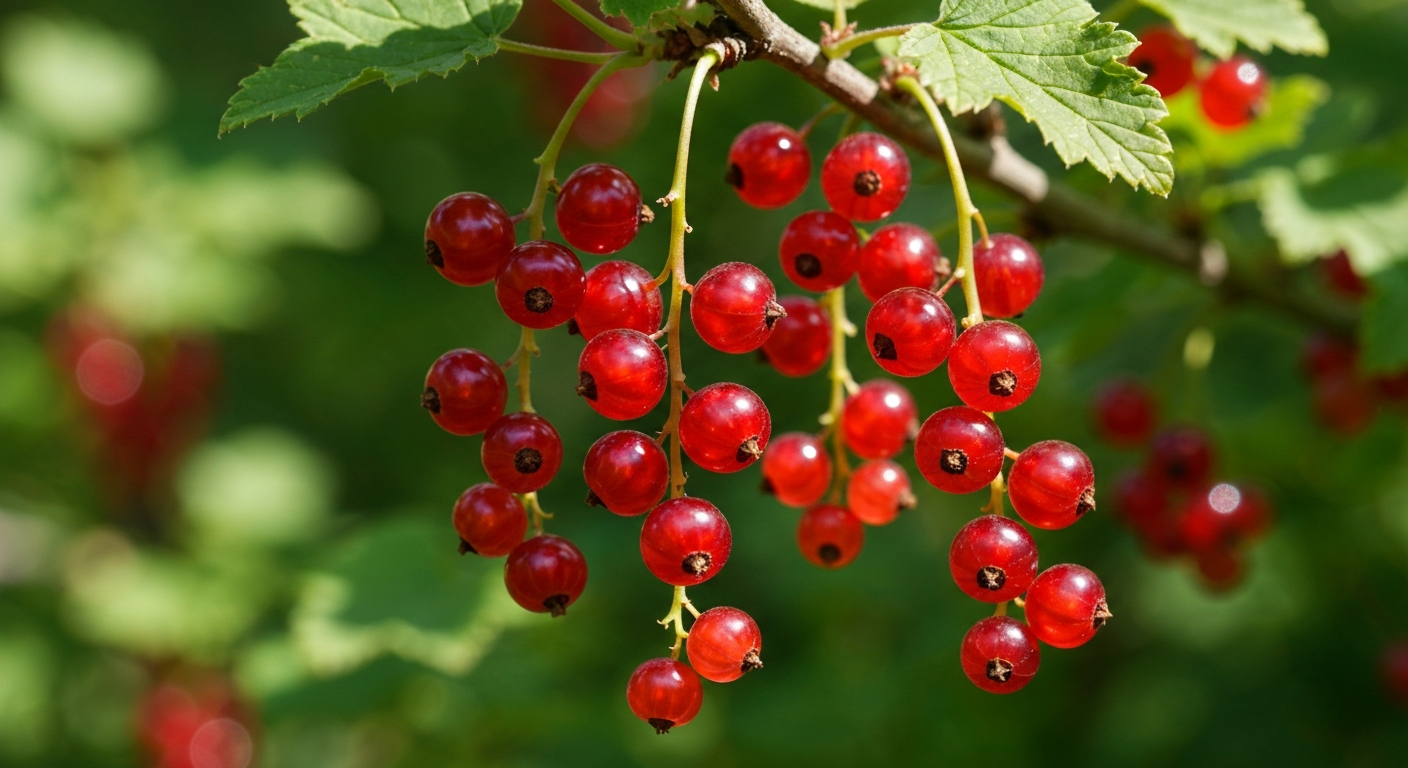
If you’re looking for a productive, hardy, and beautiful addition to your edible landscape, look no further than currants.
These small, jewel-like berries are superstars of the cool-season garden. Whether you’re a fan of the earthy, aromatic punch of black currants or the bright, tart snap of red and white currants, these shrubs are a fantastic investment for any Zone 6 gardener.
They are remarkably productive, taking up relatively little space while providing an abundance of fruit for jams, juices, and desserts. Plus, they’re one of the few berries that actually appreciate a little afternoon shade—making them perfect for those “not-quite-full-sun” spots in your yard.
What You’ll Need
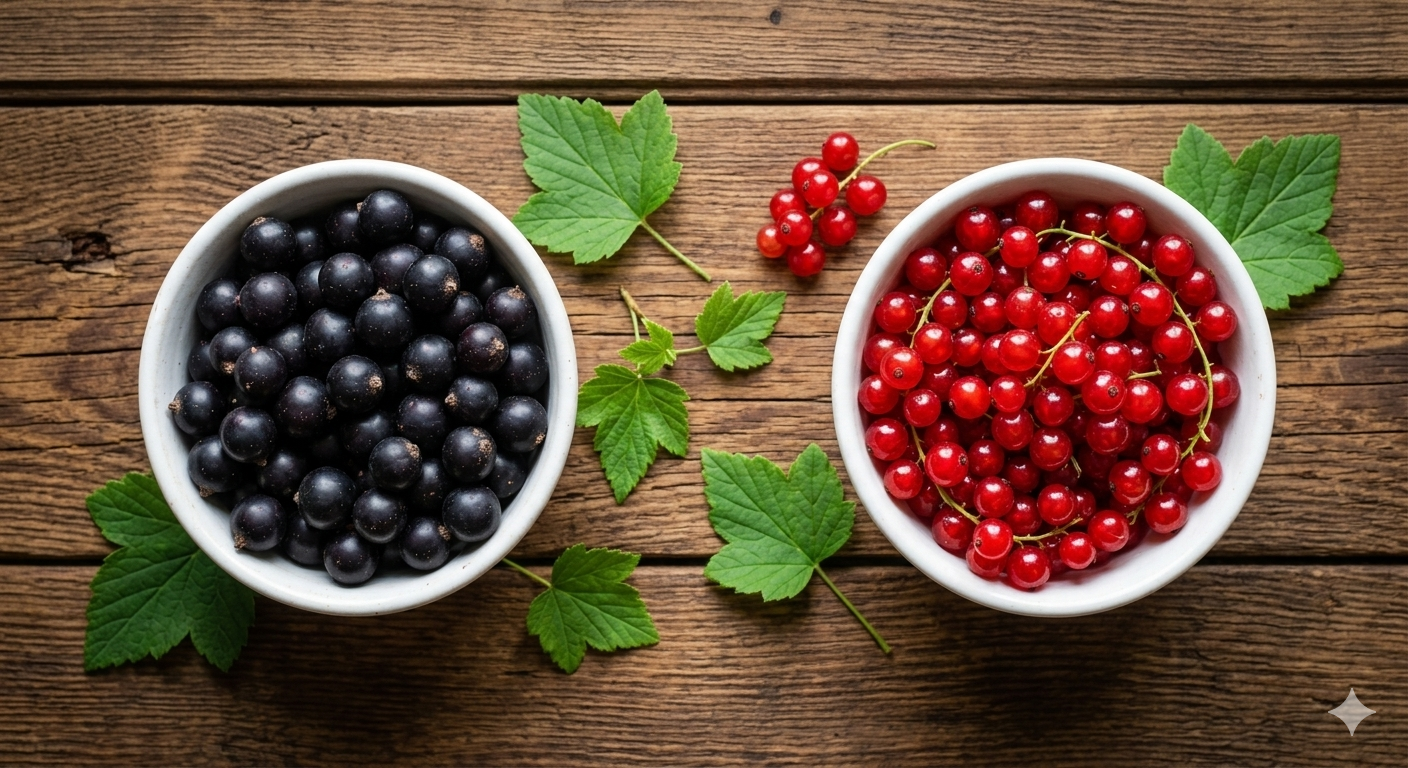
While they are cousins, black and red currants have slightly different personalities.
- Currant Bushes: Choose mildew-resistant varieties (like ‘Titania’ for black currants) to make your life easier.
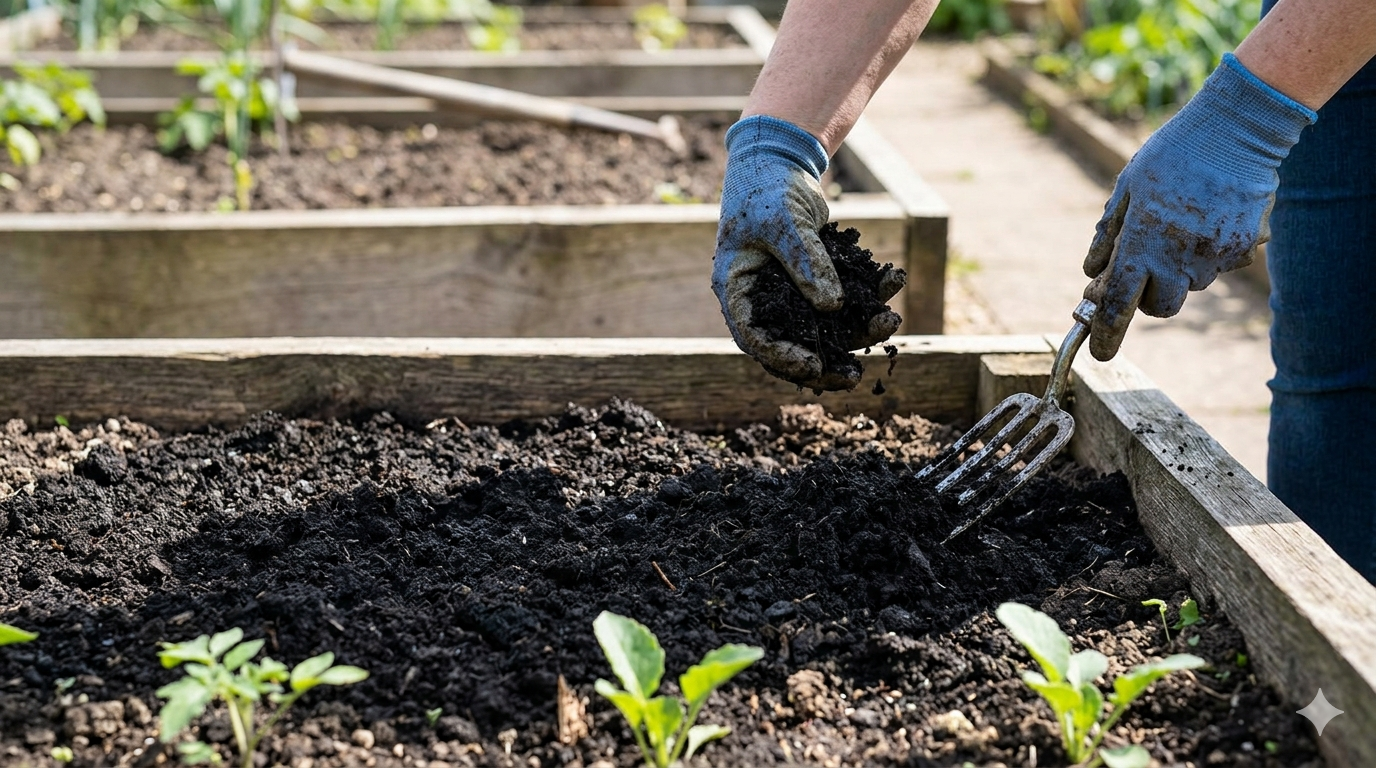
- Rich, Moisture-Retentive Soil: Currants are heavy feeders and love plenty of compost or well-rotted manure.
- A Semi-Shady Spot: In Zone 6, currants appreciate morning sun and afternoon shade to prevent their berries from “cooking” in the summer heat.
- Mulch: A thick layer of wood chips or straw to keep their shallow roots cool and moist.
- Pruning Shears: For the essential “renewal pruning” every winter.
How To Do It
- Timing: Plant your currants in late autumn or early spring while they are dormant.
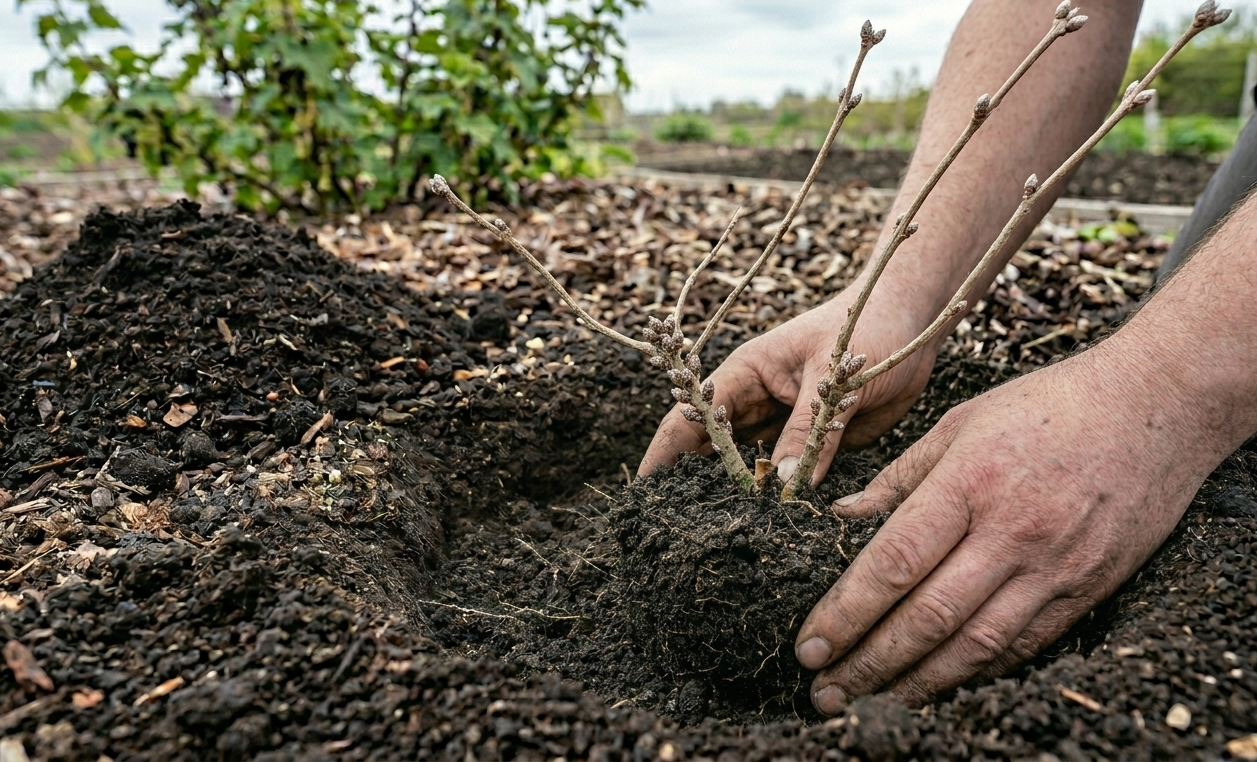
- Depth Matters: This is the most important part!
- Black Currants: Plant them about 2 inches deeper than they were in the nursery pot. This encourages more stems to grow from the base, giving you a bushier, more productive plant.
- Red & White Currants: Plant them at the same depth as the nursery pot.
- Spacing: Space your bushes 4-5 feet apart. They need good air circulation to prevent powdery mildew.
- Water and Mulch: Give them a deep drink and a 3-4 inch layer of mulch.
- Pruning (The “Renewal” Method): Every winter, remove about one-third of the oldest, darkest wood from your black currants right down to the base. This keeps the plant young and vigorous, as black currants fruit best on wood grown the previous summer.
Pro Tip: The Sawfly Watch
Keep an eye out for the currant sawfly in early spring. Its larvae can defoliate a bush in just a few days! Check the lower, inner leaves for small green caterpillars and hand-pick them as soon as you see them.
Conclusion
Currants are one of the most rewarding and under-appreciated berries for the home garden. They’re easy to grow, remarkably productive, and they bring a unique, sophisticated flavor to your kitchen. Give them a try—they’re a small investment that will pay off in sweet and tangy rewards for years to come.
Happy planting, and enjoy the jewel-like harvest!