Planting Strawberries: A Sweet Spring Tradition for Your Garden
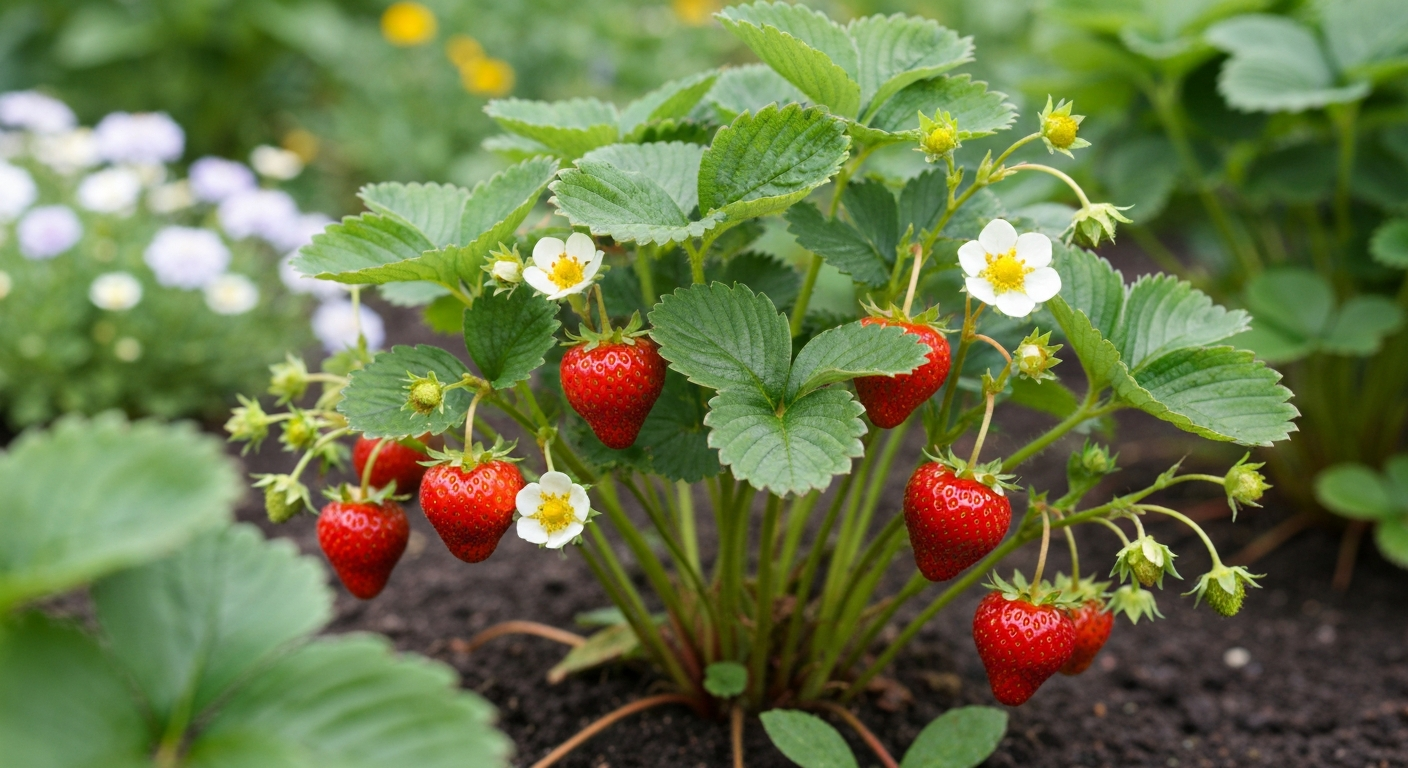
Planting Strawberries: A Sweet Spring Tradition for Your Garden
If you’ve never tasted a sun-warmed strawberry straight from the vine, you’re missing out on one of life’s greatest simple pleasures.
Strawberries are the quintessential home-garden fruit. They take up very little space, they’re incredibly productive, and—best of all—they’re perennials, so they come back year after year. Whether you’re a busy parent looking for a kid-friendly gardening project or a student with limited patio space, strawberries are a fantastic addition to any Zone 6 garden.
But before you start digging, there are two big secrets to success: choosing the right variety for your goals and mastering the “critical planting depth.”
What You’ll Need

While they’re easy to grow, strawberries have a few specific needs!
- Strawberry Crowns or Potted Plants: Choose the variety that fits your life:
- June-bearing: One massive harvest in early summer (perfect for jam!).
- Everbearing: Two main crops (early and late summer).
- Day-neutral: Fruits continuously all season long.
- A Sunny Spot: At least 8 hours of direct sun.
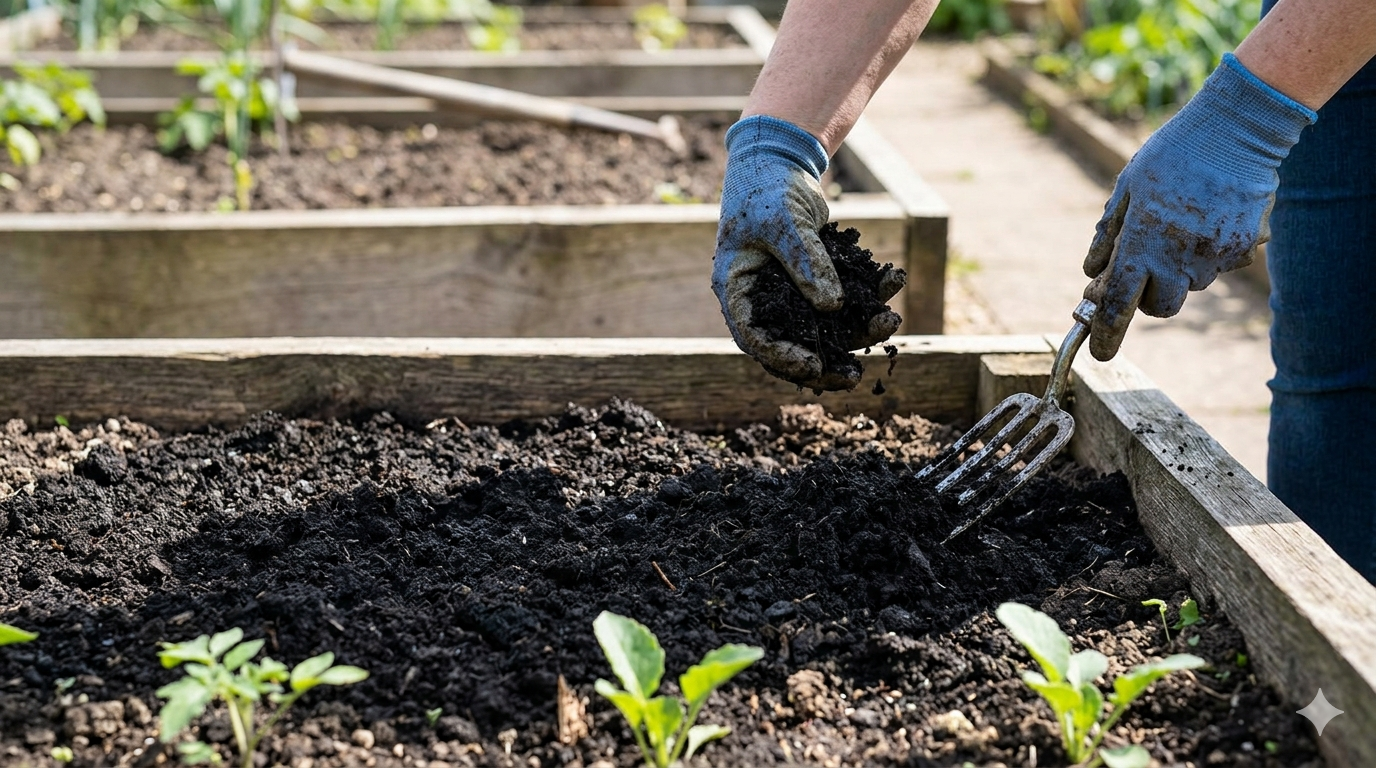
- Rich, Well-Drained Soil: Strawberries hate “wet feet,” so a raised bed or a large container with plenty of compost is best.
- Straw Mulch: To keep the berries off the damp soil and protect the plants in winter.
- A Ruler: (Optional, but helpful for checking planting depth!)
How To Do It
- Timing: Plant your strawberries in early spring as soon as the soil can be worked.
- The “Goldilocks” Depth: This is the most important part! Look for the crown (the thickened part where the leaves meet the roots).
- Too Deep: The crown will rot.
- Too Shallow: The roots will dry out and die.
- Just Right: The crown should be perfectly level with the soil surface.
- Choose Your System:
- The “Matted Row” (for June-bearing): Space plants 18-24 inches apart and let them grow “runners” (the long stems that grow into new plants) until they fill in the space into a carpet.
- The “Hill” System (for Everbearing/Day-neutral): Space plants 12 inches apart and remove all runners. This focuses the plant’s energy on growing larger, higher-quality berries.

- Water and Mulch: Give the bed a good drink and a 2-3 inch layer of clean straw.
- Patience (The First Year): For June-bearers, pinch off all flowers in the first year. This feels wrong, I know! But it forces the plant to build a strong root system so you get a massive harvest in Year 2.
Pro Tip: The Runner Rule
Runners are the plant’s way of cloning itself. While they’re great for filling in gaps, too many runners can lead to overcrowding and tiny berries. Keep an eye on your plants and clip any runners that aren’t needed to maintain a healthy, open bed.
Conclusion
Planting a strawberry bed is a sweet investment that will provide you with delicious, fresh fruit for years to come. They’re a wonderful way to involve the whole family in gardening and a great way to make use of even the smallest sunny spot.
Give it a try this spring—your future self (and your morning yogurt) will thank you for it!
Happy planting, and enjoy the berry-sweet rewards!