Planting & Maintenance of Raspberries: A Sweet Spring Tradition
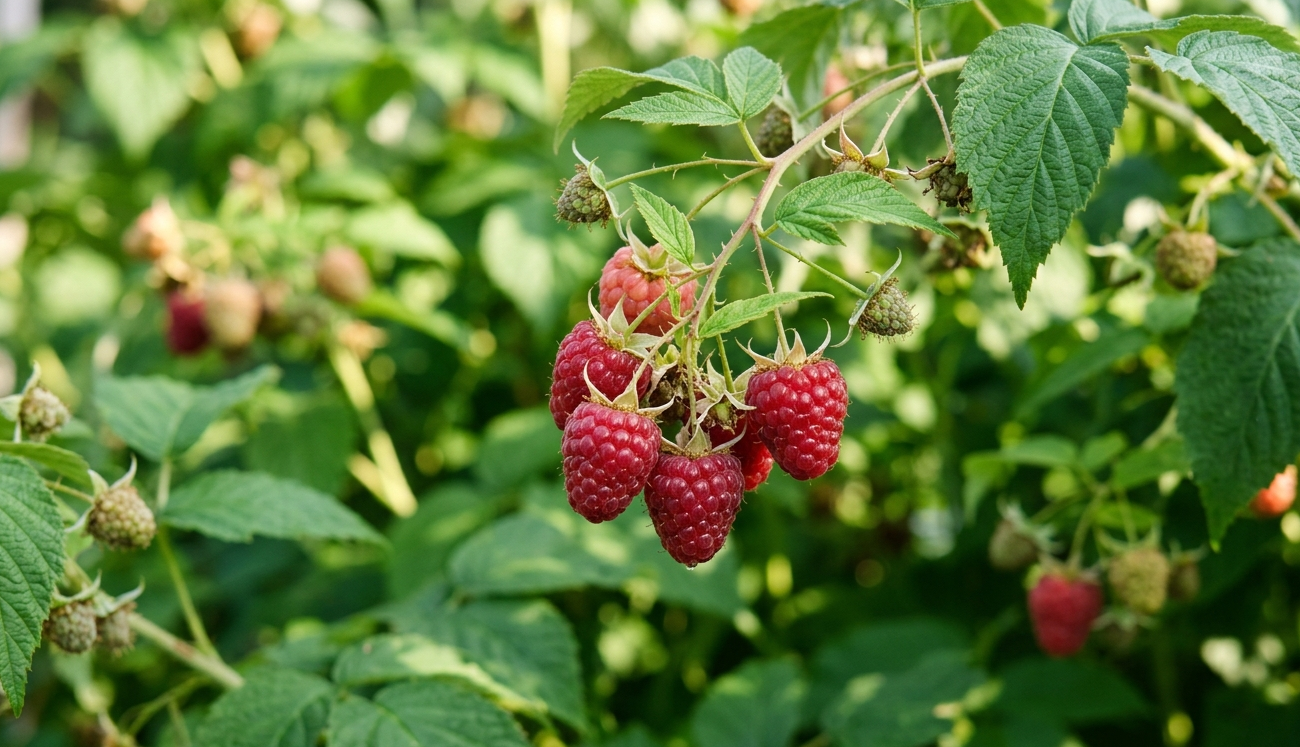
Planting & Maintenance of Raspberries: A Sweet Spring Tradition
If you’ve never tasted a sun-warmed raspberry straight from the vine, you’re missing out on one of life’s greatest simple pleasures.
Raspberries are the quintessential home-garden fruit. They take up very little space, they’re incredibly productive, and—best of all—they’re perennials, so they come back year after year. Whether you’re a busy parent looking for a kid-friendly gardening project or a student with limited patio space, raspberries are a fantastic addition to any Zone 6 garden.
But before you start digging, there are two big secrets to success: choosing the right variety for your goals and mastering the “cane” terminology!
What You’ll Need
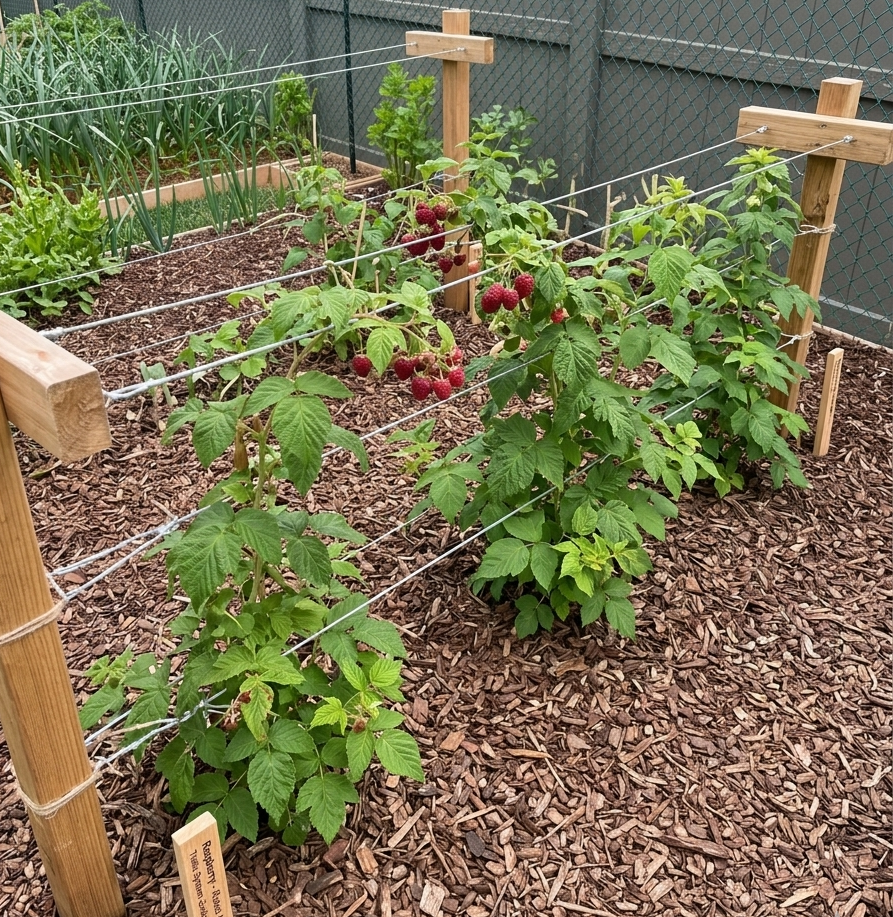
While they’re easy to grow, raspberries have a few specific needs!
- Raspberry Crowns or Potted Plants: Choose the variety that fits your life:
- Summer-bearing: One massive harvest in early summer (perfect for jam!).
- Everbearing: Two main crops (early and late summer).
- A Sunny Spot: At least 6-8 hours of direct sun.
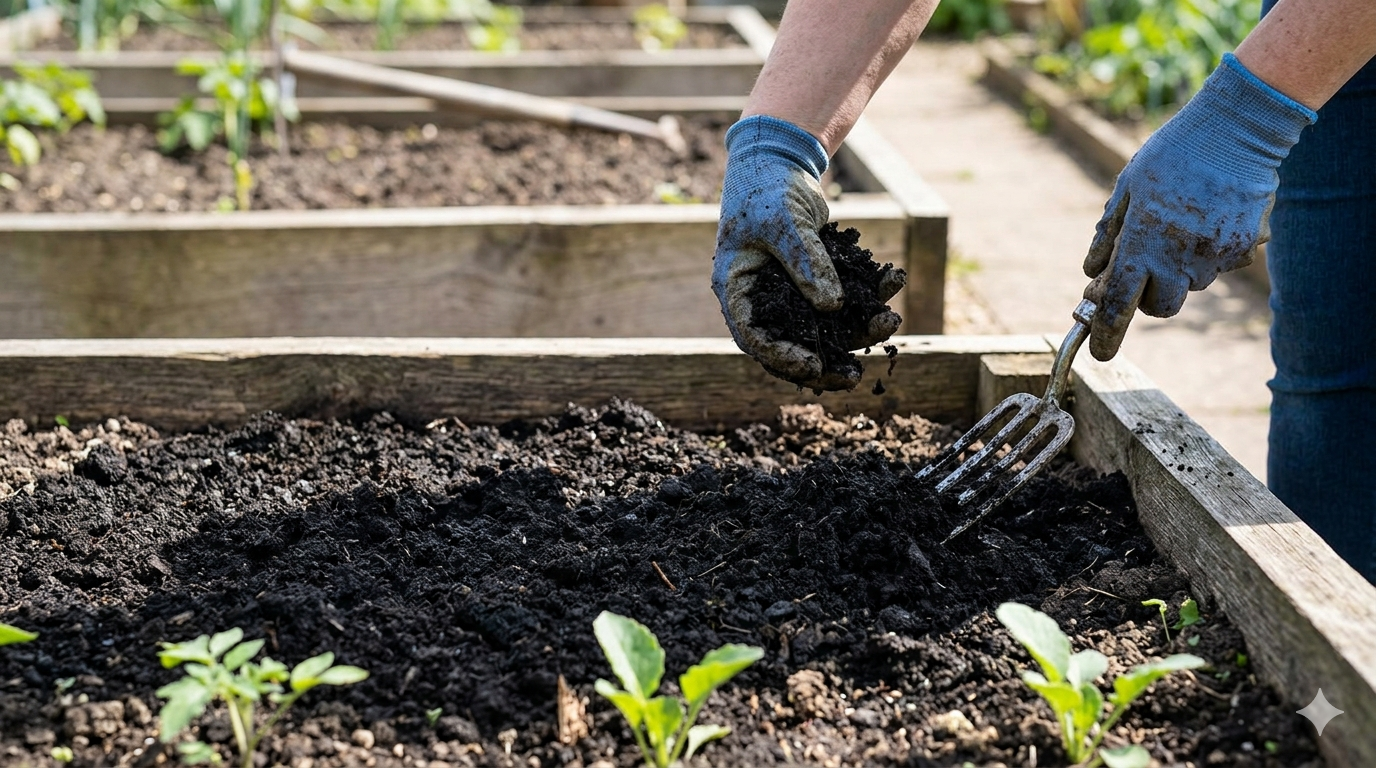
- Rich, Well-Drained Soil: Raspberries hate “wet feet,” so a raised bed or a large container with plenty of compost is best.
- Trellis: A simple T-bar or I-bar trellis with wires at 2 and 4 feet to keep the canes upright.
- Pruning Shears: For the essential “cane management” every season.
How To Do It
- Timing: Plant your raspberries in early spring as soon as the soil can be worked.
- Spacing: Space your plants 2-3 feet apart in rows that are 8-10 feet apart. Raspberries spread via underground “runners” and will quickly fill in the gaps!
- The “Cane” Rule: This is the most important part!
- Primocane: A first-year, green, soft cane.
- Floricane: A second-year, woody, brown cane.
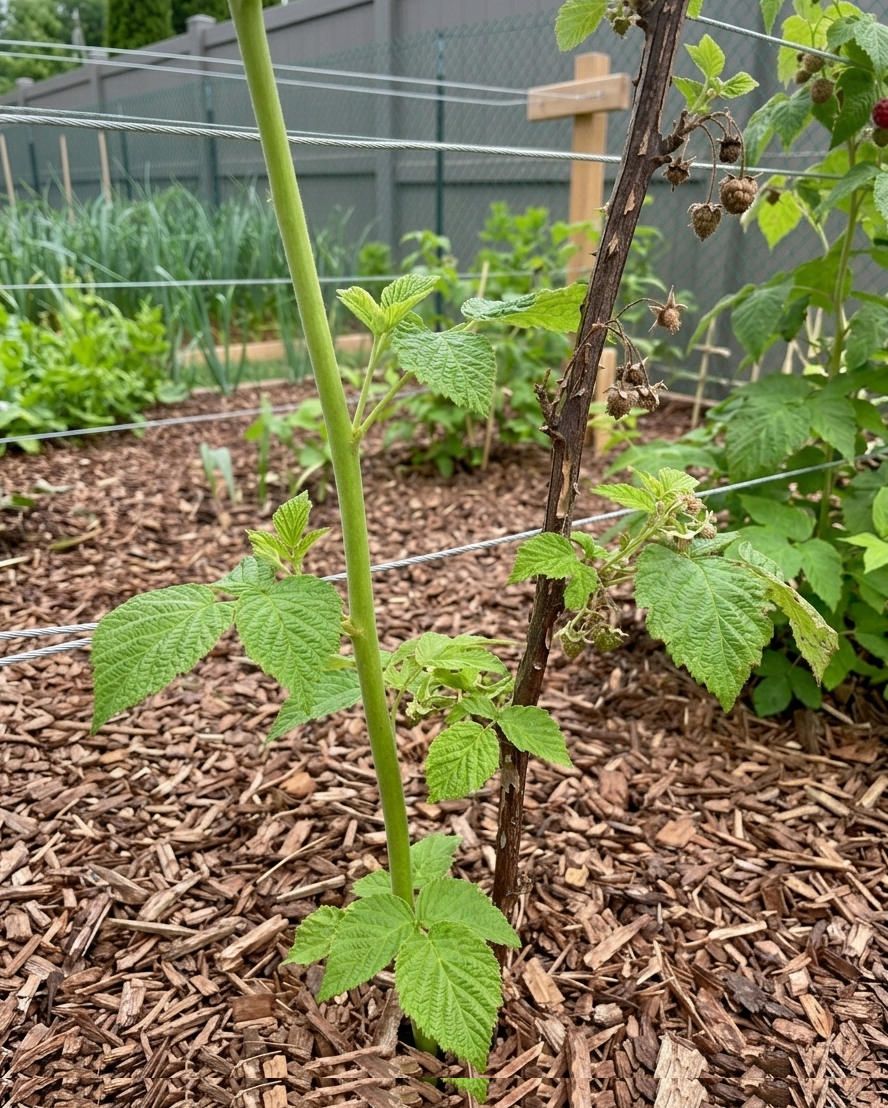
- Pruning Summer-Bearers: Immediately after the summer harvest, cut all spent floricanes (the ones that just fruited) to ground level. They will never fruit again!
- Pruning Everbearers (The Easy Way): If you want one large fall crop, simply cut all canes to the ground in late winter. It’s the simplest method for busy gardeners!
- Water and Feed: Keep the soil consistently moist (but not soggy!) and feed it with a balanced organic fertilizer in early spring.
Pro Tip: The Airflow Rule
Airflow is your best defense against mold and disease. Avoid overcrowding by thinning your canes to 4-6 canes per foot of row. It might feel like you’re losing fruit, but it actually leads to larger, healthier berries!
Conclusion
Planting a raspberry patch is a sweet investment that will provide you with delicious, fresh fruit for years to come. They’re a wonderful way to involve the whole family in gardening and a great way to make use of even the smallest sunny spot.
Give it a try this spring—your future self (and your morning yogurt) will thank you for it!
Happy planting, and enjoy the berry-sweet rewards!