Waking Up the Soil: Zone 6 Early Spring Prep
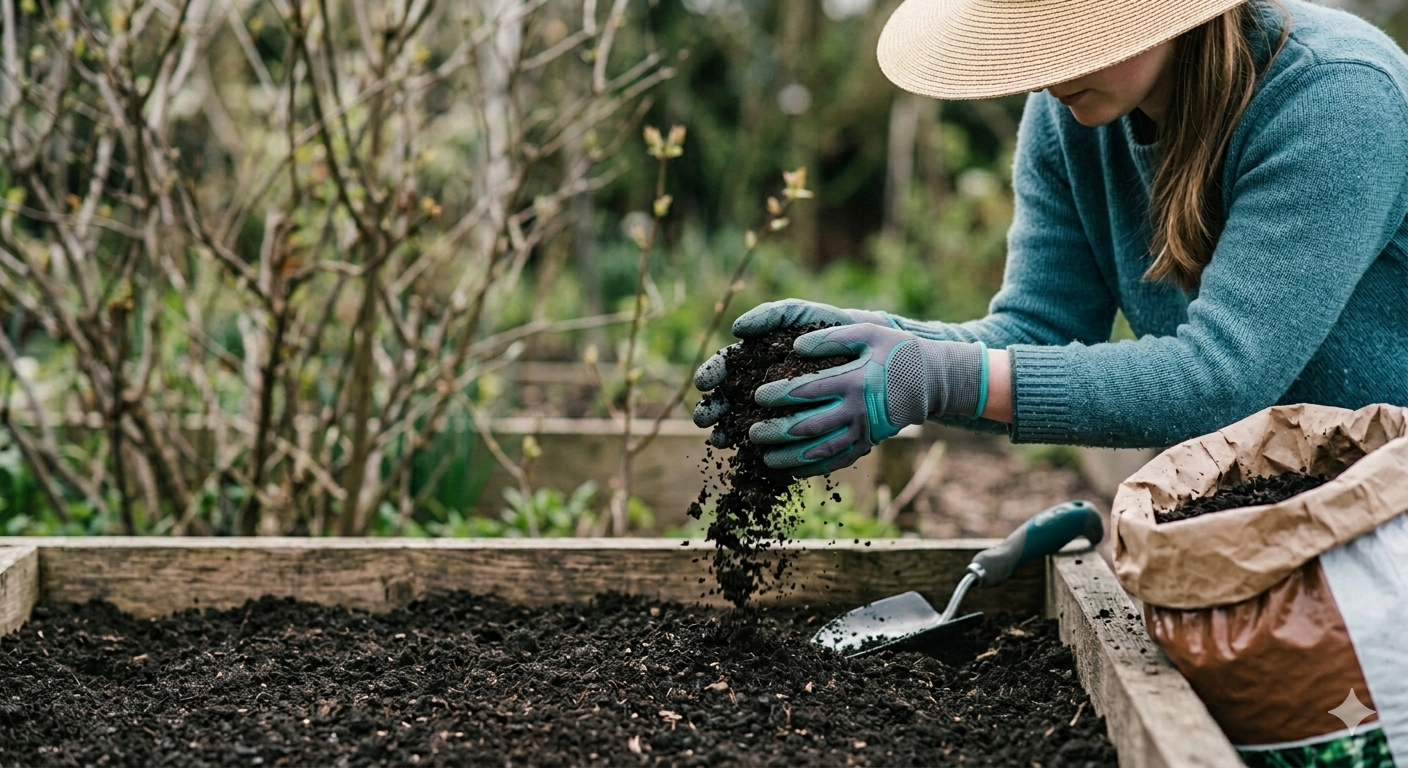
As the ground thaws and the birds start returning to Zone 6, it’s tempting to grab a shovel and start digging. But hold on! Before you start planting, we need to talk about the most important part of your garden: the soil.
Think of your soil as the “battery” for your plants. If the battery is drained, your harvest won’t be nearly as good. March is the time to “recharge” that battery. Our goal isn’t just to feed the plants; it’s to feed the complex ecosystem of fungi and microbes that live beneath your feet.
Why Soil Health Matters
The best gardens aren’t built with expensive chemicals—they’re built with organic matter and a little patience. By focusing on soil health now, you’ll have fewer pests, stronger plants, and much better-tasting veggies this summer.
What You’ll Need
- High-quality compost or aged manure
- A broadfork or a sturdy garden fork
- Organic mulch (like shredded leaves or straw)
How To Do It: Step-by-Step
- The Squeeze Test: This is the most important step! Grab a handful of soil and squeeze it. If it stays in a solid mud ball, it’s too wet to work. If it crumbles when you poke it, you’re good to go. Digging in wet soil can ruin its structure for the whole season, so be patient!
- Clear the Debris: Remove any diseased plants from last year, but leave healthy “winter mulch” (like old leaves) if you can—they’re great for the soil.
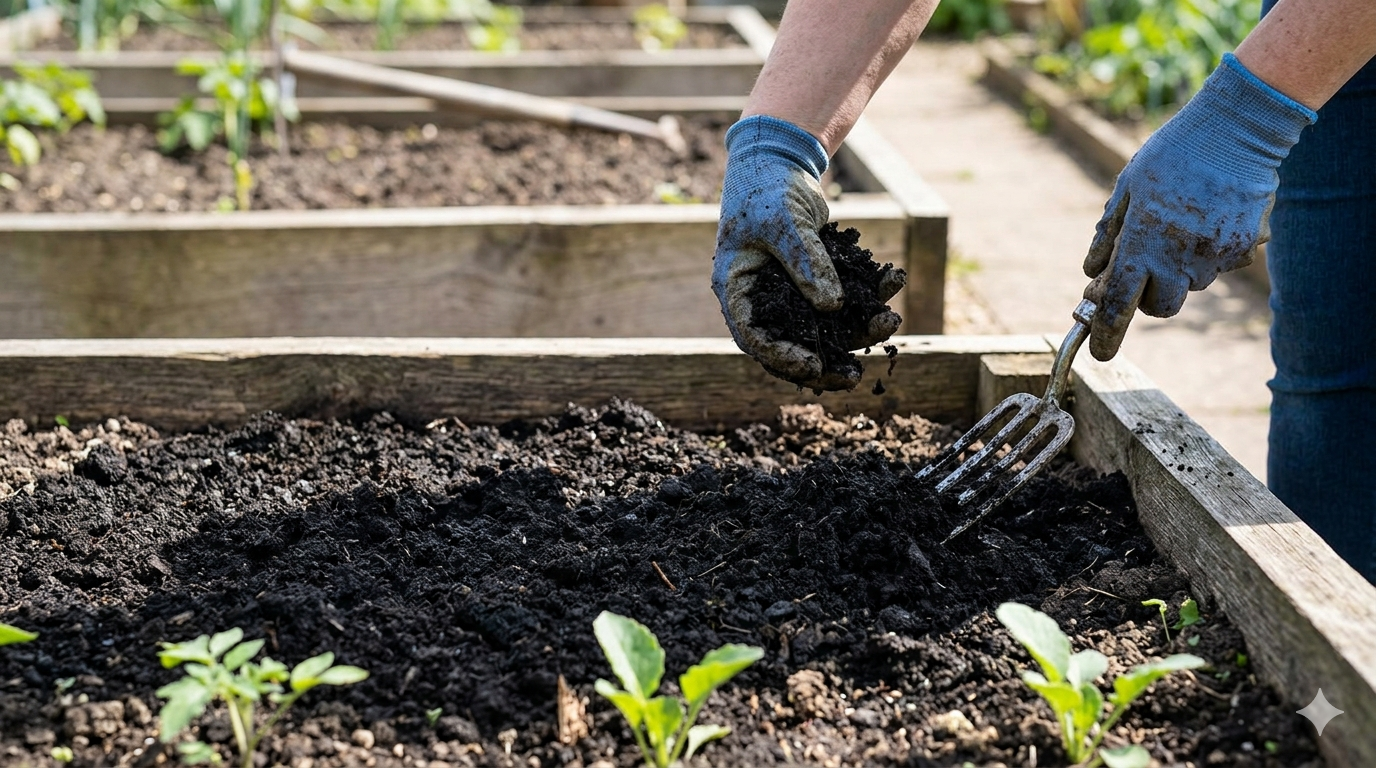
- Aerate (Without Tilling): Instead of flipping the soil over with a tiller, use a broadfork or garden fork. Push it into the ground and wiggle it slightly to create air pockets. This helps roots grow deeper without disturbing the beneficial worms.
- Top-Dress with Compost: Spread 2-3 inches of fresh compost over the surface of your beds. You don’t need to mix it in; the rain and the worms will do the heavy lifting for you!
- Protect the Surface: If you aren’t planting right away, cover the compost with a light layer of mulch to keep the moisture in and the weeds out.
Pro Tip: Feed the Microbes
If you have leftover coffee grounds, sprinkle them on top of your soil! They add a tiny bit of nitrogen and the earthworms absolutely love them. It’s a great way to recycle your morning brew.
Your garden’s success is really decided in these early spring weeks. Take care of your soil now, and it will take care of you all season long!