Starting Leeks Indoors: The Secret to a Successful Summer Harvest
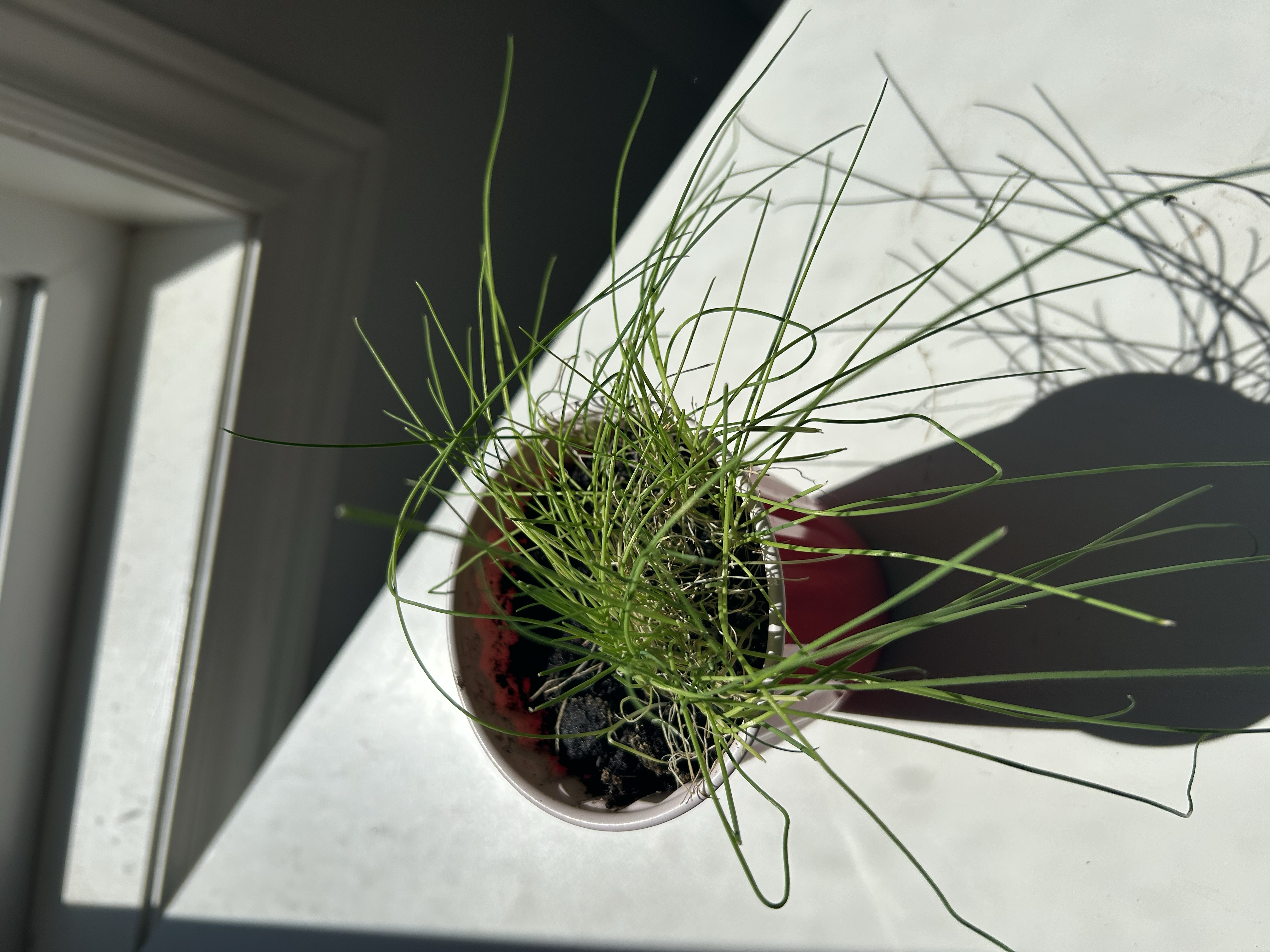
Starting Leeks Indoors: The Secret to a Successful Summer Harvest
If there’s one vegetable that truly makes you feel like a “real” gardener, it’s a leek.
Leeks (Allium ampeloprasum) are the sophisticated cousin of the onion. They have a more delicate, sweeter flavor and are the secret ingredient in some of my favorite spring and fall soups. But they have a reputation for being a bit tricky—they need a long growing season (often 100-150 days!).
In Zone 6, starting leeks indoors is the best way to ensure you have large, healthy shanks by late summer or fall. It takes a little patience and a head start, but the reward is home-grown leeks that are much more tender and flavorful than anything you’ve ever tasted.
Whether you’re a busy parent looking for an easy, rewarding project with the kids or a student looking for a gourmet kitchen staple, starting leeks indoors is a project that’s well worth the effort.
What You’ll Need
Leeks are remarkably hardy, but they need a little TLC to get started!
- Leek Seeds: Choose the variety that fits your goals:
- Summer (Early) Varieties: Grow faster and are ready for harvest in late summer.
- Winter (Late) Varieties: Grow slower and are extremely cold-tolerant (you can even harvest them from under the snow!).
- Seed Starting Mix: Use a high-quality, lightweight mix.
- A Sunny Spot: A south-facing window or a grow light.
- A “Trimming” Strategy: Don’t forget your scissors!
- A Dibber (or Handle): For the “deep hole” planting method.
How To Do It
- Start Early (Jan/Feb): Don’t wait! In Zone 6, you need to start your leek seeds indoors 8-12 weeks before the last frost date.
- Sow and Grow: Sow your seeds in a shallow tray of moist seed starting mix. Cover them lightly and keep them warm (around 70°F) until they sprout.
- The “Trimming” Technique: This is the most important part! When your seedlings reach about 4-6 inches tall, trim the tops back to about 3 inches. This prevents them from becoming “floppy” and encourages the development of thicker, more vigorous stems.
- Half-Strength Feed: Once they have their first “true” leaf, begin fertilizing with a half-strength liquid organic fertilizer.
- Hardening Off: Like all indoor starts, leeks need 7-10 days of gradual exposure to outdoor conditions before they’re ready for the big move.
- The “Deep Hole” Move: This is the secret to those long white stems! Poke a hole 6 inches deep using a dibber or handle. Drop the seedling in (do not fill with soil!). Water the hole; the water will wash just enough soil over the roots to start growth, and the hole will naturally fill in over time as the leek expands.
- Water and Mulch: Keep the soil consistently moist and add a layer of mulch to suppress weeds.
Pro Tip: The “Blanching” Rule
For those long, white shanks, you need to block the light from the stems. In addition to the “deep hole” method, you can also “hill up” soil around the stems as they grow or use cardboard tubes to cover them.
Conclusion
Starting leeks indoors is a fun, rewarding challenge that pays off in big flavor. It’s one of the most sophisticated and under-appreciated vegetables in the garden. Give it a try this year—your future self (and your potato-leek soup) will thank you for it!
Happy planting, and enjoy the luscious rewards!
Placeholder: [Image of a leek seedling being trimmed and a separate photo of the “deep hole” planting method being used in a garden bed]