Starting Peppers Indoors: The Zone 6 Secret to a Productive Harvest
Starting Peppers Indoors: The Zone 6 Secret to a Productive Harvest
If there’s one vegetable that truly feels like summer in a bite, it’s a pepper.
Peppers (Capsicum annuum) are tropical perennials, meaning they love the heat and a long, warm growing season. But in Zone 6, we have a little bit of a problem: our summers aren’t quite long enough for peppers to fully mature.
The secret to a successful harvest is starting your pepper seeds indoors in mid-to-late March. It takes a little patience and a head start, but the reward is home-grown peppers that are much more flavorful and vibrant than anything you’ve ever tasted.
Whether you’re a busy parent looking for an easy, rewarding project with the kids or a student looking for a gourmet kitchen staple, starting peppers indoors is a project that’s well worth the effort.
What You’ll Need
Peppers are notoriously slow to wake up, so they need a little TLC to get started!
- Pepper Seeds: Choose the variety that fits your goals:
- Bell Peppers: Mild, sweet, and perfect for salads and stir-fries.
- Hot Peppers: A wide range of heat levels, from mild jalapeños to fiery habaneros!
- Seed Starting Mix: Use a high-quality, lightweight mix.
- A Heat Mat: This is the most important part! Peppers are notoriously slow to sprout in cool soil.
- Grow Lights: High-quality LED or fluorescent lights to prevent “legginess.”
- A Small Fan: To strengthen the stems and prevent “damping off” (a fungal disease).
- Large Pots (4-inch): For “potting up” before the big move outside.
How To Do It
- Timing (Mid-March): Don’t wait! In Zone 6, you need to start your pepper seeds indoors 8-10 weeks before the last frost date.
- Heat for Germination: Use a heat mat to maintain a soil temperature of 75-85°F. This can reduce germination time from 3 weeks to just 7-10 days!
- Light Requirements: Once they sprout, peppers need 14-16 hours of strong light per day. Standard windows are rarely sufficient in March, so use grow lights placed just 2-4 inches above the seedlings.
- The Fan Trick: Use a small oscillating fan near your seedlings for a few hours a day. This mimics the wind and strengthens the stems while also preventing “damping off.”
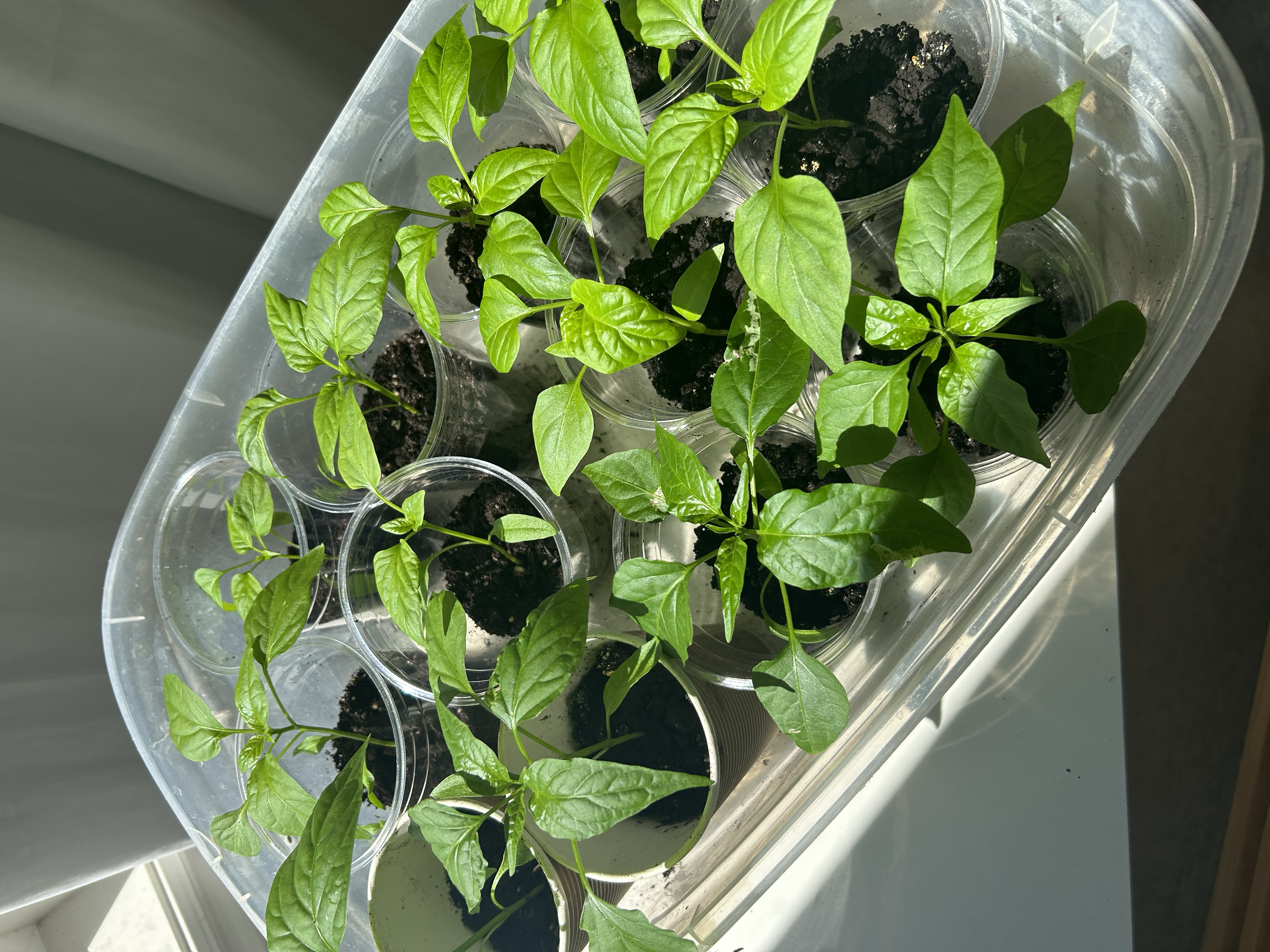
- Potting Up: Once they have 2-3 sets of true leaves, move them into larger 4-inch containers. This encourages a more robust root system before transplanting.
- Hardening Off: This is the most critical step! Gradually expose your plants to outdoor sunlight and wind over 7-10 days.
- The “Warm Soil” Rule: Do not transplant your peppers until nighttime temperatures are consistently above 55°F (usually late May or early June in Zone 6).
Pro Tip: Pinching Off Flowers
If your seedlings start to flower before they are in the ground, pinch the flowers off! This forces the plant to focus on building a strong root system and plenty of foliage rather than premature fruit.
Conclusion
Starting peppers indoors is a fun, rewarding challenge that pays off in big flavor. It’s one of the most vibrant and versatile vegetables in the garden. Give it a try this year—your future self (and your summer salsas) will thank you for it!
Happy planting, and enjoy the peppery rewards!
Placeholder: [Image of a pepper seedling being “potted up” and a separate photo of a heat mat being used to sprout pepper seeds]